Atlanta Energy Efficiency Ordinance Audit Exemption Pathways
There are several ways Atlanta buildings may be exempt from the energy audit mandate. In certain cases, eligible buildings may have their deadlines extended or deferred.

Audit Exemptions
Buildings covered under the Atlanta Commercial Building Energy Efficiency Ordinance (CBEEO) may be exempt from the audit requirement based on either performance or building conditions. An audit exemption simply exempts the covered building from the the audit requirement for the year. Buildings will need to revisit exemption eligibility and refile the exemption application every year.
Performance-based exemptions
- EPA Energy Star certification for 2 of the last 3 years.
- Would have been Energy Star certified for 2 of the last 3 years if offered, but Energy Star certification does not exist for your building type.
- Energy Star score has improved 15 points, or weather-normalized source energy use intensity (EUI) has been reduced by 15% in the last five years.
- Meets the most recent LEED for Existing Buildings: Operations and Maintenance (EBOM) certification for 2 of the last 3 years.
Building condition exemptions
- No occupancy certification or no temporary occupancy certification.
- Demolition permit issued, and demolition has commenced.
- Building in financial hardship.
- Building has no utility services.
Audit Extensions
Buildings may have their audit deadlines extended for various reasons. Buildings will have to make further extensions every year, however there are some limit to the number of extensions per building.
- Good faith effort made to procure an energy audit, but failed to obtain (limit of 2).
- Building in financial hardship.
- Less than 50% of rentable floor area is occupied by tenants AND the number of reduced-cost audits has declined substantially year-to-year (limit of 3).
- Converted from industrial to commercial (audit due 5 years after conversion).
Audit Deferments
New buildings under ten years old may have their first audit deferred to the next cycle. For example, a building completed in 2024, and assigned an ABID (see
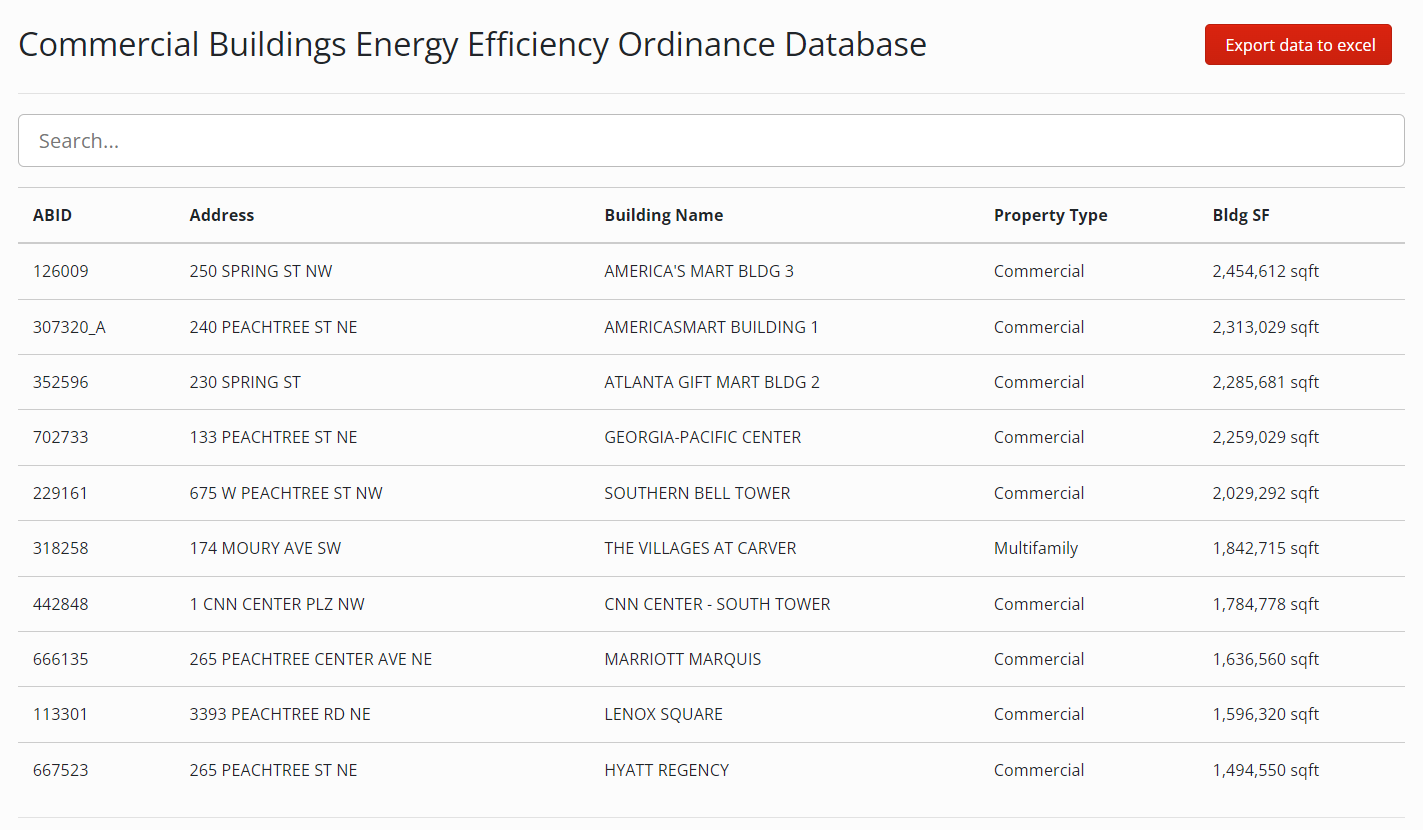
here) ending in 6, would not have to conduct an energy audit in 2026, and instead would have their first audit deferred to 2036, the next cycle.