Freeze Protection for Renters in Apartments
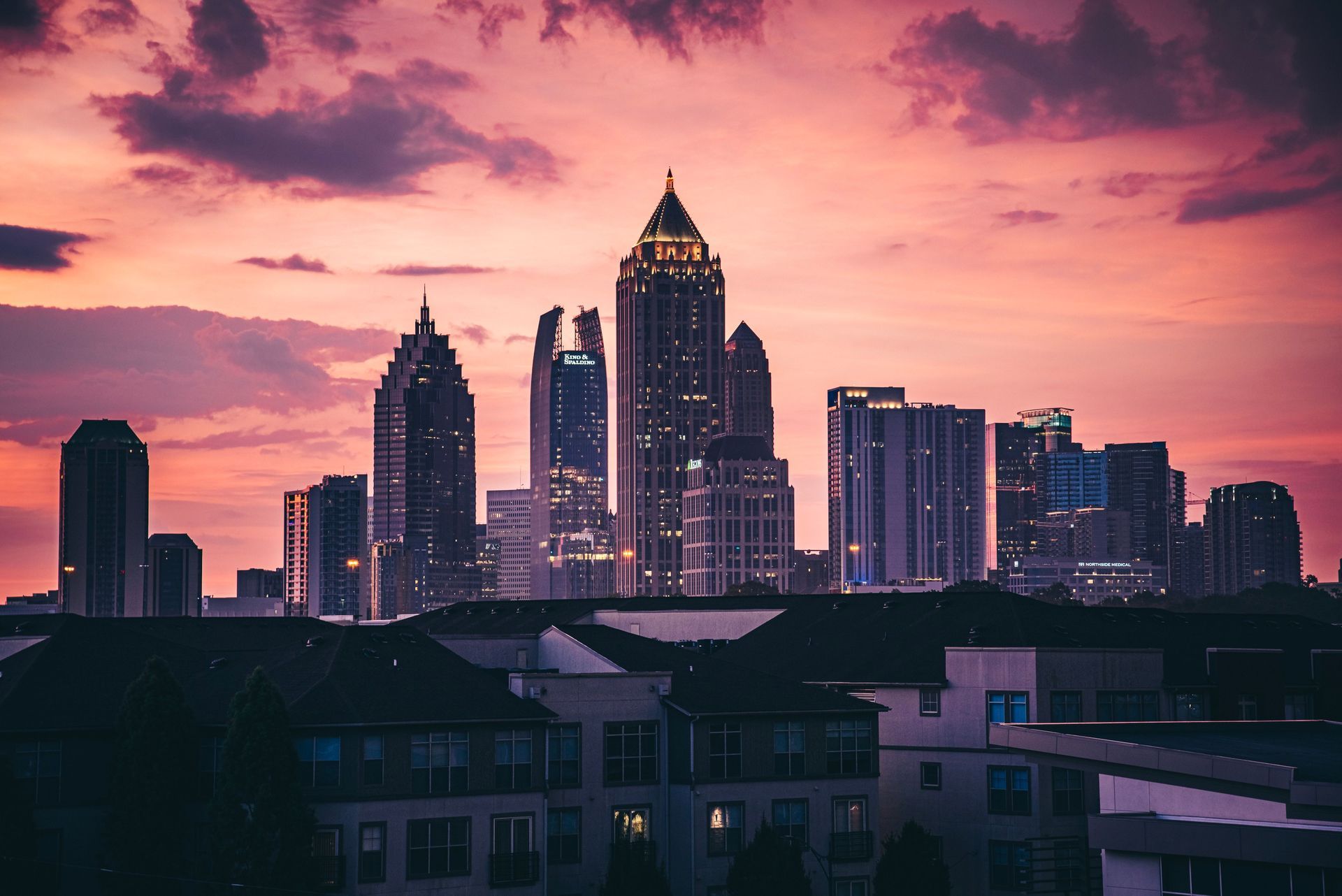
Modern apartments still suffer from freeze risks, especially in sunbelt climates like Atlanta were deep freezes are uncommon
Apartment living has its conveniences over homeownership, but you still have to take care of a few things when it gets super cold.
Pipes freeze in apartment complexes usually because they are located in an exterior wall. When the temperature outside drops below freezing, it is common for the temperature in the wall cavity to drop below freezing too, depending on the building quality.
Additionally, if the water is not moving through the pipes, the pipes can freeze. A frozen pipe doesn't necessarily burst a pipe, but if it happens over and over, the pipe will eventually burst.
Here are some steps you can take to protect your apartment from flooding due to a burst pipe:
- Do not turn off the heat, even if you are away. A setting of at least 60°F is recommended to prevent pipes from freezing.
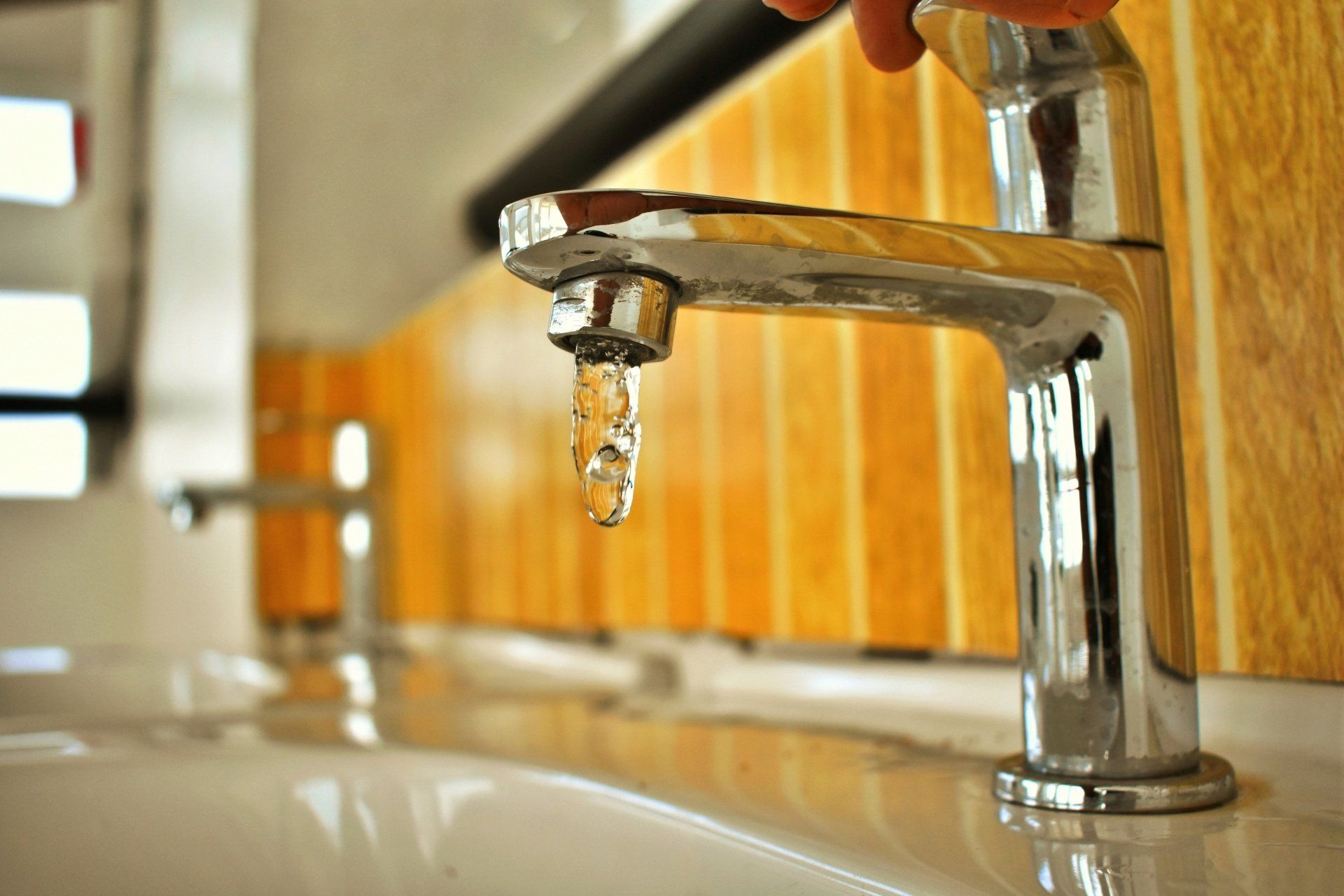
- If you have plumbing, such as sinks, toilets, and bath faucets located on an exterior wall, let the faucets drip (both hot and cold) to ensure water is flowing through them and doesn't remain stagnant. Stagnant water freezes, flowing water does not.
- Keep cabinet doors open to allow heat to circulate around pipes.
- If you have outdoor plumbing fixtures, such as hose connections, disconnect the hoses and cover the hose bib with a frost-proof foam cap.
- If you notice any frozen pipes, call your apartment complex maintenance team right away. Do not try to thaw frozen pipes yourself, as this can cause them to burst.
By taking these steps, you can help prevent freezing and bursting pipes in your apartment.