Is turning down your hot water temperature really worth it?
Lets jump in hot water with Ian
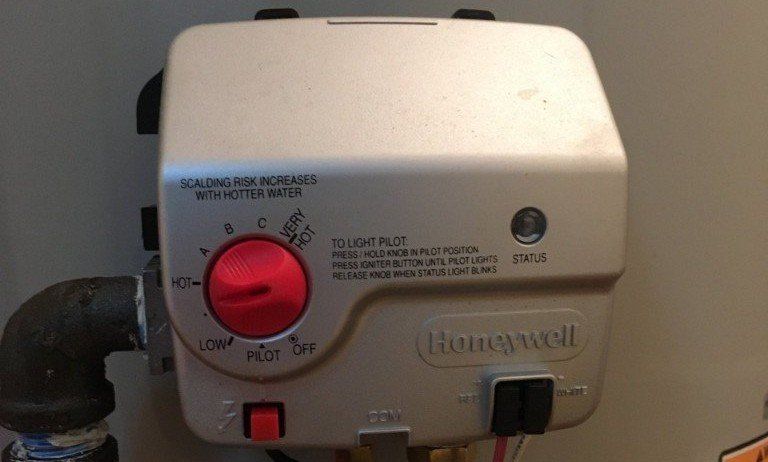
One of the laundry list items found in many energy savings articles is turning down your hot water heater target temperature. I really don’t think many people follow this advice because 90% of the homes and businesses I visit, the water temperature is in the range of 130-140 degrees. I can tell just because I need to turn on the cold water tap more than just a tad. I believe people ignore this advice because it is thought of one of those nuisance energy savings measures, similar to unplugging cell phone chargers when not in use, or turning off the ceiling fan when you leave a room.
Turning down the hot water heater thermostat from 140 degrees to 120 degrees may have a small impact, but it can add up over time. The US Department of Energy website states that turning down the temperature can save between 4% and 22% of your water heating energy cost (not total household energy cost… The website is misleading). Now, that’s a pretty big range, but if you have a traditional, mass-produced electric tank water heater found in most every value-engineered building in the US, I believe the savings of a thermostat setpoint adjustment can be on the order of 10%-20% of your water heating bill.
Nearly every apartment I’ve lived in, and now my current house, I’ve set the water heating temperature to 120 degrees after burning myself the day I moved in. I can do this because I take short, 10 minute showers, stagger my showers with my girlfriend, and really, really enjoy only needing to use the hot water faucet. That is by far the best part – not having to fiddle with the cold water to get the temperature just right. By the time the water has reached the shower, it has lost about 5 degrees in the pipes, providing me with a balmy 115 degree shower. Another thing I also do, and may be taking it too far in the eyes of many, is that I turn off the water when I soap up.
With a temperature any lower than 120 degrees, you may run the slightest risk of developing a L egionella pneumophilia colony in your hot water tank, which you probably don’t want. I wouldn’t worry about this if you keep the temperature at or above 120 degrees.
Compelling reasons to adjust:
Reduce scalding hot temperatures
Reduce standby heating losses
Reduce pipe losses
Considerations before adjusting:
May run out of hot water (Stagger your showers, people!)
Ever so slightest possibility of developing Legionnaires Disease if you are aggressive with the setpoint.
May have problems getting dishes squeaky clean in dish washing machines that don’t have booster heaters (most all do these days)
Teenagers complaining Further Measures To Consider
Unfortunately, if you have an electric tank water heater, there is not much more you can do to reduce your water heating energy consumption, except take cold showers (not too bad, actually) or just forego showers altogether (please no). I’m going to contradict myself now and present a few measures I plan to implement at my home soon.
WIfi Connected water heater control (<$100)
I currently turn off my water heater when we leave the house for more than a day. This eliminates standby electricity use while we are gone, but I would like to eliminate this any time we leave the house, whether it be a quick trip to the post office or a long trip to the beach. I would also really like to NOT THINK ABOUT IT.
I came across this wifi enabled switch that can handle a 40 amp load seen by a water heater. It doesn’t have any geofencing capability but I am hoping it may include some kind of Nest, Alexa or Apple Homekit integration in the future, allowing it to piggyback off of existing smart home infrastructure. Right now you can set a schedule for this timer, which is about all I need, but I really want to hold out for the smart home integration.
Heat Pump Water Heater ($1,200-$3,000)
I also may just hold out for a heat pump water heater that is 3 times more efficient than electric resistance heat alone, and has integrated geofencing controls.
In the meantime, there are some other measures you can take a look at: waterheatertimer.org has covered it well.
How much money will a water heater timer save9 ways to save with a water heater
One more thing. I forgot to cover gas water heaters. If you have a tank-style gas water heater, turning it down will reduce energy consumption, but gas water heaters are already pretty cheap to run. Tankless gas water heaters are even cheaper to run and setpoint adjustments have little impact on these guys. If you have any kind of water heater and it is overdue for replacement, go with an electric heat pump water heater since they are getting better every day, and electrification is the way to go.