The Complete Guide to Energy Audits in Atlanta: Timeline, Process, and Cost
If you own or manage a building in Atlanta, you may already know you're subject to the city's energy efficiency requirements. The process of actually getting compliant can feel like a lot to untangle. This guide walks through what's required, how the process actually works, and what to expect along the way.

Why Atlanta Requires This
The City of Atlanta passed its Commercial Buildings Energy Efficiency Ordinance (CBEEO) in 2017, requiring covered buildings to track and report their energy performance, and periodically undergo a professional energy assessment. The goal is straightforward: buildings that measure their energy use tend to use less of it, and the ordinance is designed to surface real opportunities for savings, not just create paperwork.
Who Needs to Comply
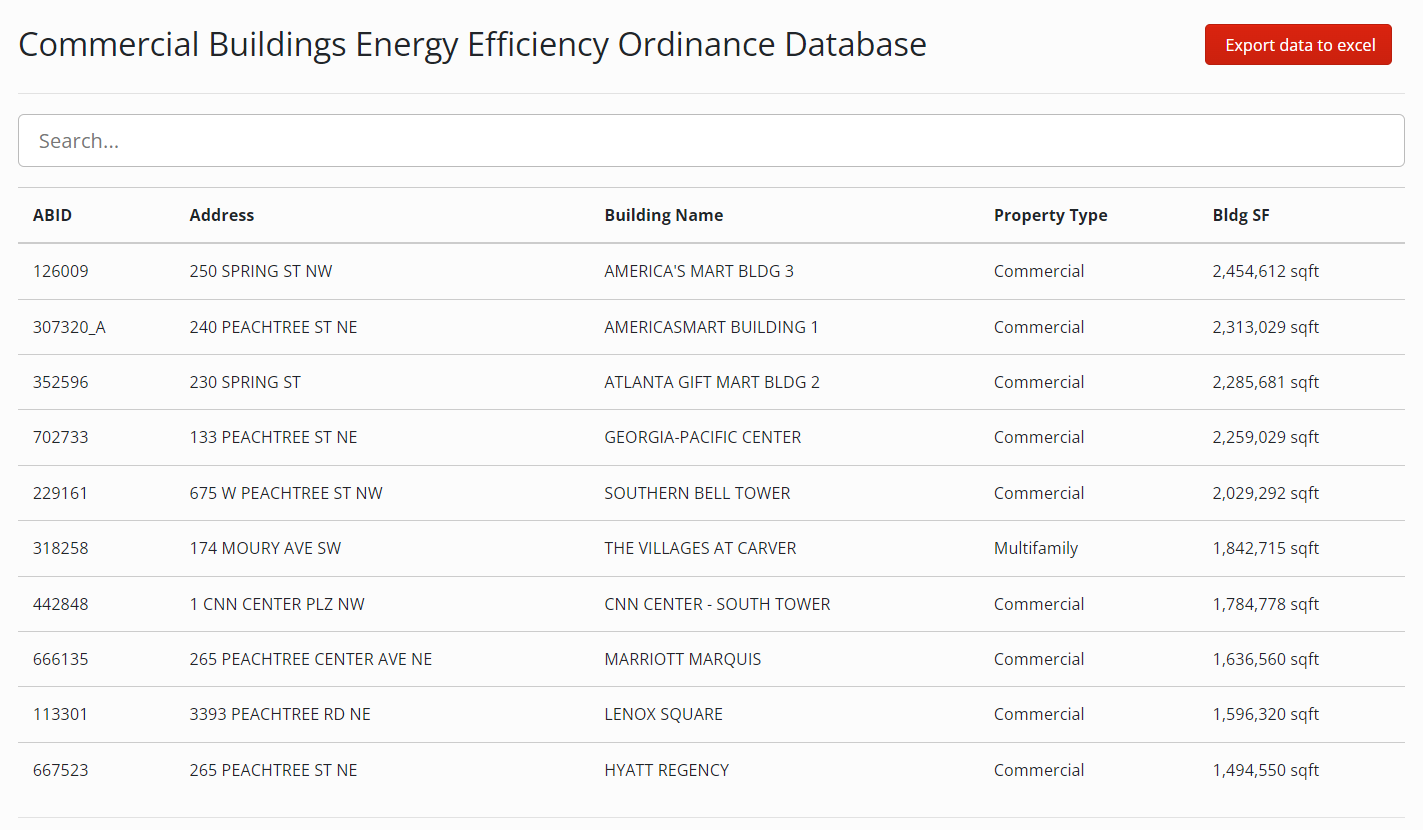
CBEEO generally applies to buildings over 25,000 gross square feet — and importantly, this includes multifamily and condominium buildings, not just traditional commercial office space. (If you manage a condo association and weren't sure this applied to you, it does — we cover this in detail here.) Your specific compliance deadline is generally tied to your building's Atlanta Building ID (ABID), so two similarly sized buildings can have different deadlines depending on their ID number.
Two Separate Requirements: Benchmarking and Audits
CBEEO actually has two distinct components, and it's easy to conflate them:
- Annual Benchmarking — Reporting your building's energy and water use through ENERGY STAR Portfolio Manager every year. This is the lighter-weight, ongoing requirement.
- Energy Assessment (Audit) — A more in-depth, professional assessment required every 10 years, performed by a licensed professional. The last digit of your building's ABID defines the year of the decade the audit is required.
Many buildings are already doing #1 and are unaware #2 applies to them as well.
The Audit Process, Step by Step
Based on how a typical CBEEO assessment unfolds:
- Documentation collection — Your consultant will request items like recent utility bills, ENERGY STAR Portfolio Manager access, as-built plans, and any prior energy studies.
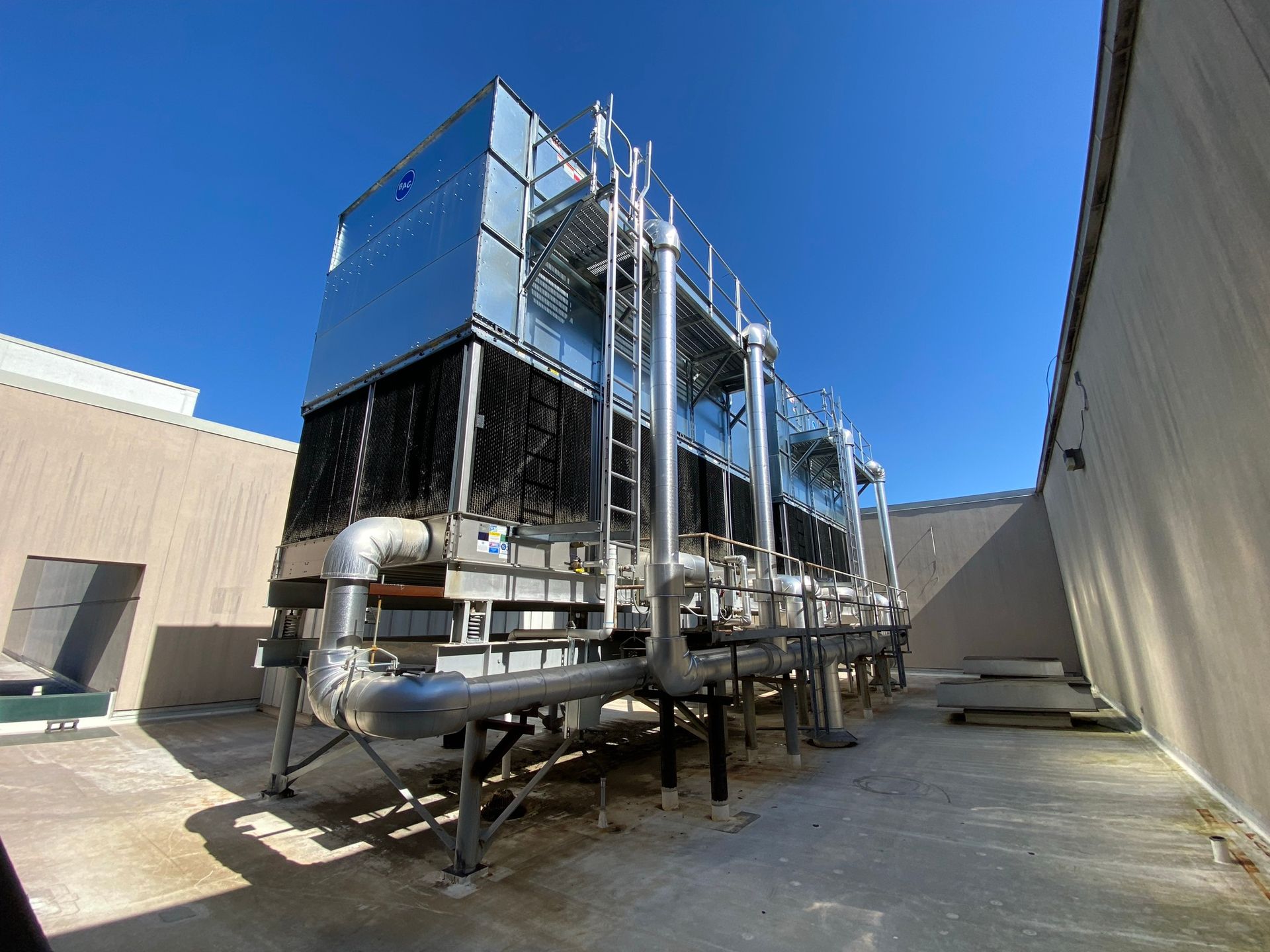
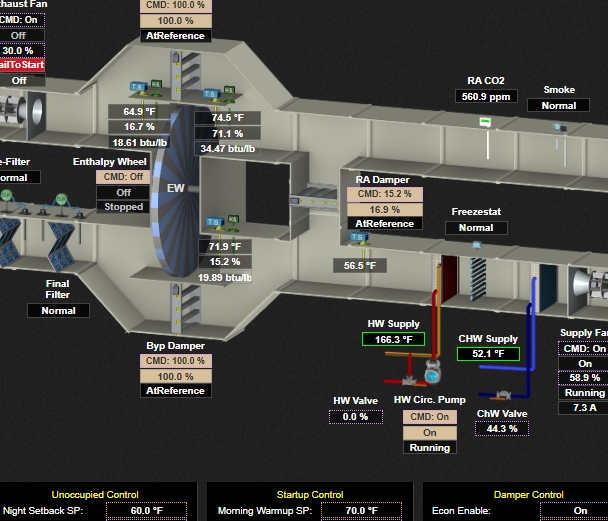
- Site survey — A physical walkthrough of the building's systems: envelope, HVAC, lighting, domestic water heating, building automation, and conveying systems. This is typically a couple of days on-site, scheduled within a few weeks of signing a contract, and it's non-invasive — nothing gets modified or removed during the visit.
- Report preparation — Your consultant analyzes the data and prepares the full report, including equipment inventories, a utility consumption analysis, and a list of recommended energy and water conservation measures with an economic analysis of costs, incentives, and potential savings. This typically takes several weeks after the site visit.
- Stakeholder review — A walkthrough of the findings with you, your board, or your management team, so you can decide which recommended measures — if any — you want to pursue.
- Submission to the city — The completed assessment gets submitted through the required online compliance tool (currently the Department of Energy's Building Energy Asset Score platform for the audit itself; benchmarking data is submitted separately through ENERGY STAR Portfolio Manager).
Audit Levels: What's Actually Required
Energy audits come in tiers — Level I, II, and III — that go from a basic walkthrough to a highly detailed, investment-grade analysis. Most CBEEO-covered buildings only need a Level II assessment, not the more expensive Level III. We've broken down what each level involves and what it typically costs in more detail separately.
What It Costs
Pricing depends heavily on your building's size, systems, and complexity — there's no single flat answer. As a general reference point, per-square-foot pricing across the industry typically runs $0.05–$0.50/sq ft depending on audit level, though we'd argue that number alone doesn't tell you much without knowing what's driving it for your specific building. See our full cost breakdown for the details.
Exemptions, Extensions, & Deferrals
Not every building has to go through a full assessment on the standard timeline — there are legitimate pathways to defer or exempt a building from the audit requirement in certain circumstances. If you think your building might qualify, it's worth exploring before you assume you're locked into the standard process. Follow this link to see a detailed list.
What Happens If You Don't Comply
Non-compliance can result in fines, and the requirement doesn't go away just because it's been missed — it typically has to be resolved eventually, often at a less convenient time and with less scheduling flexibility than if you'd started early.
Choosing Who Does the Work
Not every consultant approaches this the same way, and the credentials, pricing model, and building-type experience of the firm you choose all matter. We've written separate guides on how to vet an energy auditor and questions to ask before choosing a consulting partner if you're comparing options.
Getting Started
If your building is due for benchmarking, an audit, or you're simply not sure where you stand, Verdius Energy can help — we specialize in Atlanta CBEEO compliance, with particular depth in multifamily and condominium associations through our partnership with FirstService Residential. Request a proposal or reach out at info@verdiusenergy.com / (470) 673-8990.