Can a Water-Source Heat Pump Loop Work Without a Boiler in Atlanta?
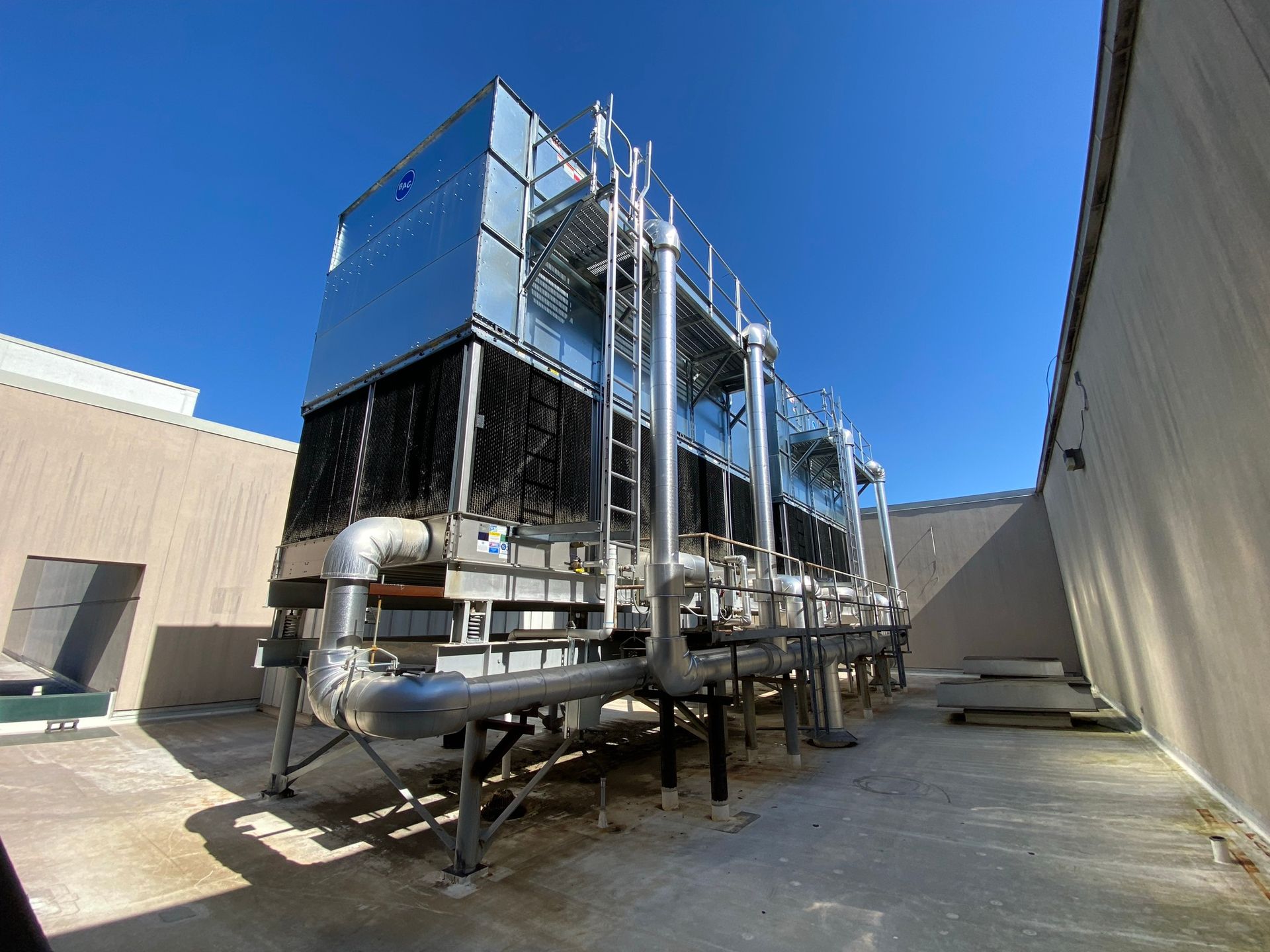
During a recent energy assessment of an Atlanta condominium high-rise, we came across something that isn't typical: a water-source heat pump (WSHP) loop with a cooling tower for heat rejection, but no boiler for heat injection. For anyone familiar with how these systems normally work, that's worth a second look.
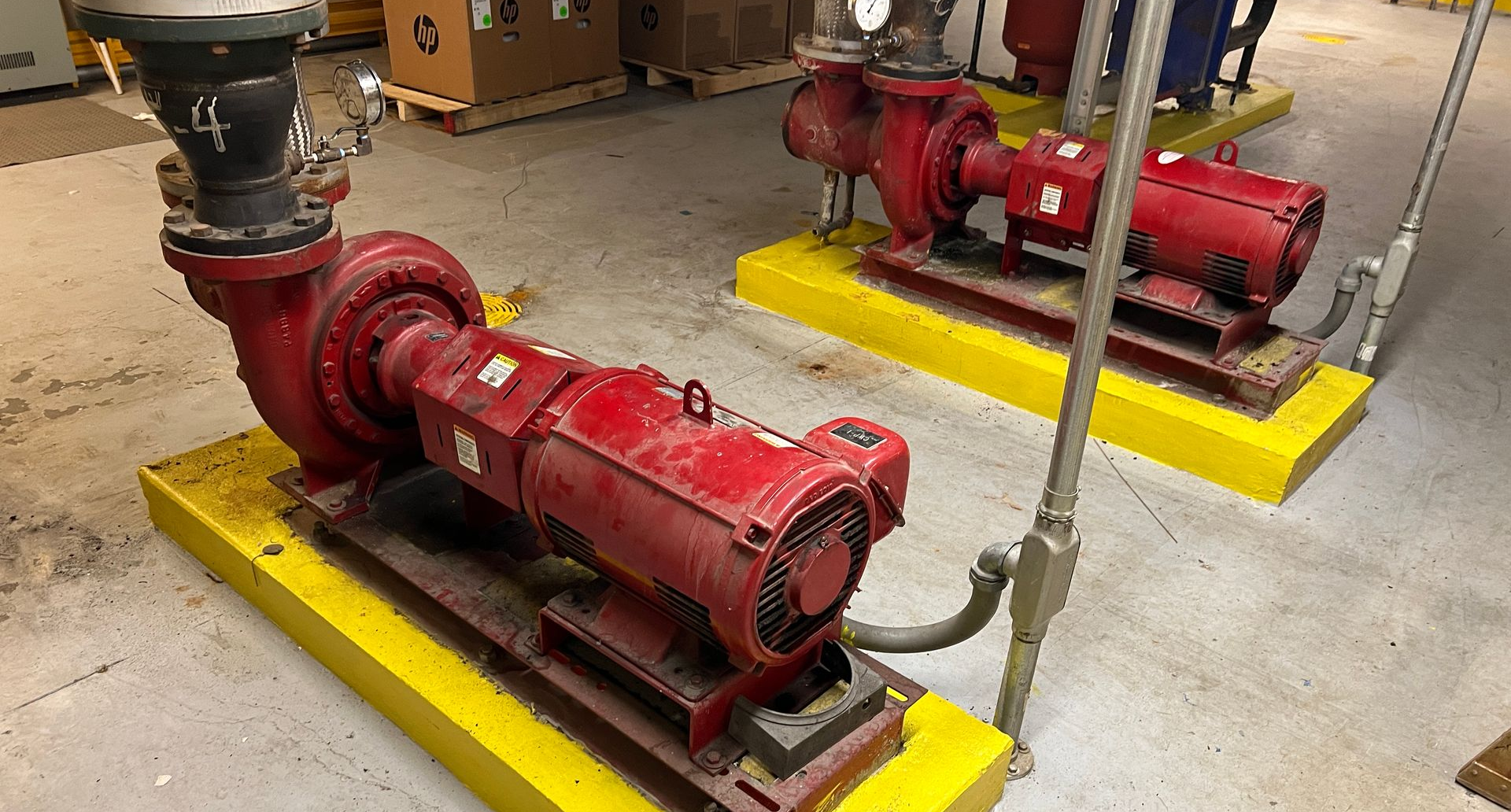
How a WSHP Loop Is Usually Designed
A closed-loop water-source heat pump system works by circulating water through individual heat pump units throughout the building. In cooling mode, each unit rejects heat into the loop; in heating mode, each unit pulls heat out of it. A cooling tower handles the excess heat when the loop gets too warm — that part is standard.
The piece that's usually there too is a boiler, and it exists for a simple reason: in winter, when most units are heating rather than cooling, the loop is losing more heat than it's gaining, and the loop temperature drifts downward. Left unchecked, it eventually drops below the range where a water-source heat pump can efficiently extract heat, and the system stops working the way it's supposed to. A boiler exists to add heat back into the loop and keep the temperature in a workable band through the winter.
What We Found Instead
At this building, there's no boiler doing that job. Instead, when the loop temperature drops low enough (somewhere in the low 40°F) the individual heat pump units switch over to auxiliary electric resistance heat rather than continuing to try to extract heat from an increasingly cold loop.
That's a meaningfully different design philosophy: instead of centrally maintaining the loop within an ideal temperature range year-round, the building is relying on the loop staying "warm enough" most of the time on its own, with individual units falling back to backup electric heat strips on the days it doesn't. So it's almost as if the building has a network of decentralized auxiliary heat "boilers", with their heat eventually making it back to the heat pump loop.
From what we understand, a boiler was actually considered for this building at some point but ultimately passed over — the retrofit would have been fairly invasive relative to the benefit, and it didn't pencil out as worth the disruption. That's a reasonable call for a building in this climate, but it's exactly the kind of trade-off that depends heavily on location, which is the next piece worth digging into.
Why This Can Work in Atlanta Specifically
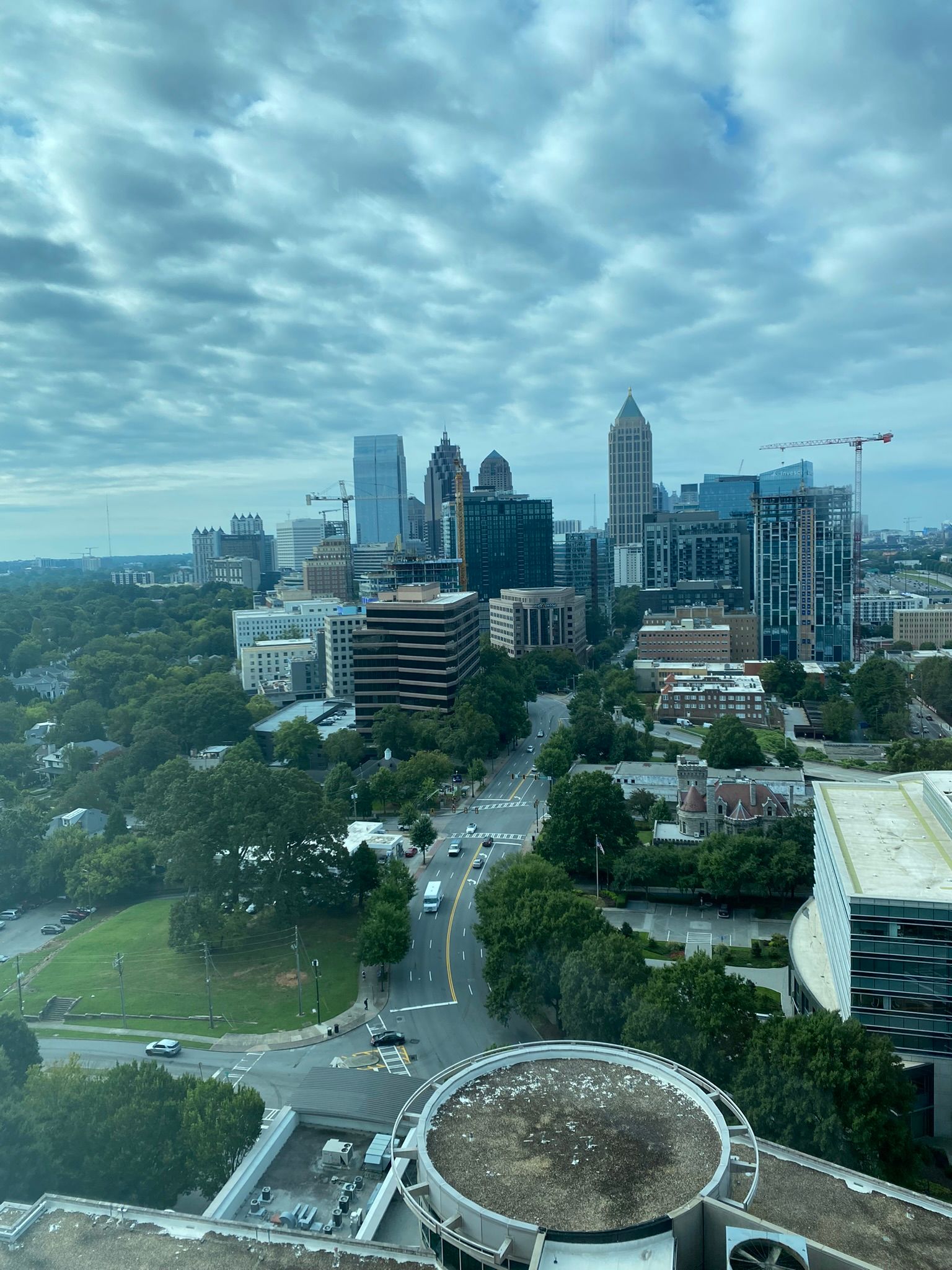
The reason this isn't as risky a bet in Atlanta as it would be further north comes down to how much heat is actually available to the loop for most of the heating season. Between solar gain on the building envelope and internal heat gains from the units still in cooling mode (high solar heat gain condo units, IT closets, anything with a consistent cooling load), the loop likely stays warm enough to support genuine heat-pump heating for a good stretch of the winter — plausibly into December and January on milder days. It's really only on the coldest, cloudiest stretches that the loop falls out of range and units have to lean on auxiliary heat.
In practice, that makes the system something closer to a hybrid: heat-pump heating (relatively efficient) for a meaningful portion of the winter, with straight electric-resistance heating (much less efficient) only on the days the loop can't hold up its end.
Side note: if this works in Atlanta, you can bet it would shine in Orlando, Tampa, or Miami!
Where It Stops Making Sense
Move this same design further north, and the math changes. In a climate with a longer, colder heating season and less winter solar gain to offset it, the loop would spend far more of the year below the workable range for heat-pump extraction — at which point you're effectively running an all-electric-resistance-heated building for most of the winter, just with extra equipment (the loop, the cooling tower) that isn't doing much useful work during that stretch. That's a much harder system to justify without a boiler backing it up.
Who Actually Pays for the Auxiliary Heat
There's a cost dimension to this worth pointing out too. In a system with a central boiler, the fuel cost for heating gets paid centrally through the condominium association. Without a boiler, the auxiliary electric resistance heat runs through each unit's own electric meter. That shifts the cost of backup heating directly onto individual owners' personal electric bills.
It's also worth noting that electric resistance heat is generally more expensive per unit of heat delivered than gas-fired boiler heat, unless local electricity is priced unusually low relative to gas — which typically isn't the case. So while skipping the boiler avoids a capital expense and some operational complexity for the association, it likely raises total heating costs across the building overall, just distributed differently: lower shared/capital cost, higher and less predictable cost for individual owners. Whether that's a good trade-off depends on whether you're looking at the association's budget or the condo owner's.
The Takeaway for Building Condo Associations and Community Managers
If you're evaluating a building with this kind of system or considering removing a boiler as part of a retrofit to simplify a building's mechanical systems and go fully electric, the climate and the building's specific heat-gain profile matter enormously to whether it'll actually perform well. What works reasonably well in Atlanta's climate on a building with strong solar exposure isn't necessarily a safe assumption to copy onto a different building, or a different city.
If you're planning a retrofit, evaluating a building's mechanical systems, or just want a second set of eyes on how your building's systems are actually performing, reach out or email us at info@verdiusenergy.com.